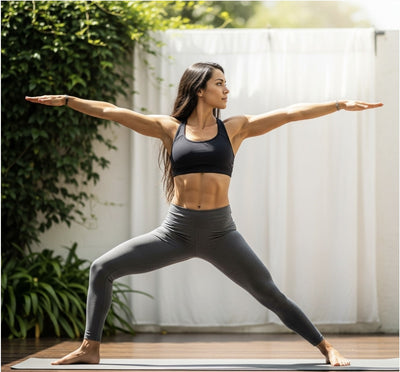
Patanjali's Eight Limbs (Ashtanga) of Raja Yoga: A Detailed Introduction - 5To9Style
Patanjali's Eight Limbs (Ashtanga) of Raja Yoga: A Detailed Introduction
Introduction
Raja Yoga, as systemized by the sage Patanjali in his profound work, the Yoga Sutras, presents a structured path towards self-realization and liberation. This path, often referred to as Ashtanga Yoga (not to be confused with the modern physical yoga style), is comprised of eight interconnected limbs or stages. These limbs provide a comprehensive framework for ethical living, self-discipline, physical preparation, breath control, sensory withdrawal, concentration, meditation, and ultimately, union with the divine. Understanding and practicing these eight limbs offers a holistic approach to yoga, extending far beyond physical postures to encompass a way of life that cultivates inner peace and spiritual growth. This article will provide a detailed introduction to each of Patanjali's eight limbs, illuminating their meaning and significance on the journey of Raja Yoga.

The Foundational Limbs: Ethics and Self-Discipline
The first two limbs, the Yamas and Niyamas, form the ethical and moral foundation of Raja Yoga. They provide guidelines for how we interact with the external world and our internal selves, respectively. Cultivating these principles is essential for clearing the mind and fostering inner harmony, prerequisites for deeper yogic practices. Wearing comfortable and non-restrictive yoga wear from 5to9 Style can support your focus on these inner principles without physical distractions.
1. Yamas (Ethical Restraints): These are universal ethical principles that govern our social interactions.
Ahimsa (Non-violence): Abstaining from causing harm to any living being in thought, word, or deed.
Satya (Truthfulness): Being honest and truthful in our communication and actions, while also considering the impact of our truth.
Asteya (Non-stealing): Not taking anything that is not freely given, whether material possessions, time, or energy.
Brahmacharya (Moderation/Continence): Practicing self-restraint and moderation in all aspects of life, particularly in sensory pleasures, and directing energy towards spiritual growth.
Aparigraha (Non-possessiveness): Letting go of excessive attachments to material possessions, people, and even ideas.
2. Niyamas (Personal Observances): These are principles that guide our personal conduct and foster inner discipline.
Saucha (Purity/Cleanliness): Maintaining physical and mental purity through cleanliness of the body and mind.
Santosha (Contentment): Cultivating a state of acceptance and contentment with what we have.
Tapas (Discipline/Austerity): Engaging in self-discipline, perseverance, and practices that purify the body and mind.
Svadhyaya (Self-study/Study of Scriptures): Exploring one's own nature, beliefs, and studying sacred texts to gain self-knowledge.
Ishvara Pranidhana (Surrender to a Higher Power): Cultivating faith and surrendering the ego and the fruits of our actions to a higher power or the natural flow of the universe.

Preparing the Body and Breath for Meditation
The next two limbs, Asana and Pranayama, bridge the external and internal aspects of yoga, preparing the body and breath for deeper meditative practices. Choosing comfortable yoga apparel from 5to9 Style can enhance your ability to hold meditative postures and regulate your breath with ease.
3. Asana (Posture): In the context of Raja Yoga, asana primarily refers to maintaining a steady and comfortable posture suitable for prolonged meditation. While physical postures practiced in Hatha Yoga can prepare the body, the emphasis here is on stillness and ease, allowing the mind to become steady.
Why it's important: A stable and comfortable seated posture minimizes physical distractions during meditation.
4. Pranayama (Breath Control): This limb involves the conscious regulation of the breath to control and expand the vital life force energy (prana). Techniques include regulating inhalation, exhalation, and breath retention to calm the nervous system and focus the mind.
Why it's important: The breath is seen as a direct link to the mind. By controlling the breath, we can influence mental states and cultivate greater focus.

Turning Inward: Withdrawal and Concentration
The fifth and sixth limbs, Pratyahara and Dharana, mark the transition towards inner focus and mental discipline. These stages involve withdrawing the senses from external distractions and learning to concentrate the mind. Practicing these limbs can be supported by a calm and comfortable environment, facilitated by the ease of movement in 5to9 Style yoga clothing.
5. Pratyahara (Withdrawal of the Senses): This involves consciously drawing the senses inward, away from external stimuli. It's about detaching our awareness from sights, sounds, smells, tastes, and touch, and directing our attention inwards.
Why it's important: By reducing sensory input, Pratyahara helps to quiet the mind and prepare it for deeper concentration.
6. Dharana (Concentration): This is the practice of fixing the mind's attention on a single point or object. The object of concentration can be anything, such as a mantra, a visual image, the breath, or a chakra. The goal is to sustain focus without the mind wandering.
Why it's important: Dharana develops the ability to focus the mind, a crucial prerequisite for meditation.

The Culmination: Meditation and Union
The final two limbs, Dhyana and Samadhi, represent the deeper states of meditation and ultimately, the goal of Raja Yoga – union with the divine or self-realization. Achieving these states requires consistent practice and the preceding cultivation of the other six limbs. Creating a serene practice space and wearing comfortable yoga wear from 5to9 Style can support the journey towards these profound states.
7. Dhyana (Meditation): This is a state of sustained and uninterrupted concentration on the object of focus (Dharana). In Dhyana, the mind flows effortlessly towards the object of meditation, without the fluctuations and distractions of ordinary thought.
Why it's important: Dhyana leads to profound insights, inner peace, and a deeper understanding of reality.
8. Samadhi (Absorption/Liberation): This is the ultimate aim of Raja Yoga, a state of complete absorption in the object of meditation, where the individual self dissolves and merges with the universal consciousness or the true Self. It is a state of profound bliss, liberation, and oneness.
Why it's important: Samadhi represents the ultimate freedom from suffering and the realization of our true nature.

Supporting Your Raja Yoga Practice with 5to9 Style
As you navigate the profound path of Patanjali's eight limbs, comfortable and supportive yoga wear can enhance your ability to focus and move with ease during the preparatory stages, particularly asana and pranayama, and support sustained comfort during meditation. 5to9 Style offers a curated collection of yoga apparel designed for mindful movement and stillness. Our breathable and flexible yoga pants, supportive sports bras, and comfortable yoga tops allow you to practice without distraction. Explore our selection at https://5to9style.com/collections/all and find the perfect attire to support your journey through the eight limbs of Raja Yoga. Visit our homepage at https://5to9style.com to discover more about our commitment to quality and mindful living.
Conclusion
Patanjali's Eight Limbs of Raja Yoga offer a timeless and comprehensive roadmap for self-discovery and spiritual awakening. By diligently cultivating ethical principles, practicing self-discipline, preparing the body and breath, turning inward, focusing the mind, and deepening into meditation, practitioners can progress towards the ultimate goal of Samadhi – liberation and union with the true Self. This profound system provides a framework for living a more meaningful, purposeful, and peaceful life, inviting us to explore the depths of our inner being.