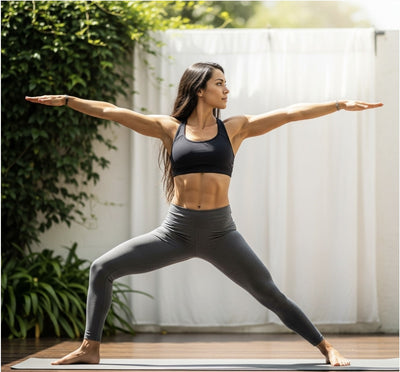
Jnana Yoga: The Path of Wisdom and Knowledge - 5To9Style
Jnana Yoga: The Path of Wisdom and Knowledge
Introduction: What is Jnana Yoga?
Jnana Yoga, one of the four classical paths of yoga, emphasizes the pursuit of knowledge (Jnana) to attain spiritual liberation. Unlike Hatha Yoga, which focuses on physical postures, or Bhakti Yoga, which centers on devotion, Jnana Yoga is a path for the intellect. It involves deep introspection, philosophical study, and the constant questioning of reality to discriminate between the real and the unreal. This profound journey leads to the realization of the true self, or Atman, and its unity with Brahman, the ultimate reality. It's a path that requires keen discernment and a thirst for truth, making it a powerful complement to any yoga practice.

The Core Principles of Jnana Yoga
At the heart of Jnana Yoga lies the understanding that ignorance (avidya) is the root cause of suffering. By systematically dismantling this ignorance through inquiry and knowledge, one can transcend the limitations of the ego and experience true freedom. Key principles include:
Discrimination (Viveka): The ability to differentiate between the eternal and the transient, the real and the unreal. This involves critical thinking and deep analysis of one's experiences and beliefs.
Renunciation (Vairagya): Not necessarily giving up worldly possessions, but developing detachment from the fruits of actions and material desires. It's about freeing oneself from emotional entanglement.
Six Virtues (Shatsampat): This set includes tranquility (shama), self-restraint (dama), withdrawal (uparati), endurance (titiksha), faith (shraddha), and mental one-pointedness (samadhana). These virtues cultivate a disciplined mind essential for the Jnana Yogi.
Desire for Liberation (Mumukshutva): An intense yearning for freedom from the cycle of birth and death, and for union with the ultimate truth.
These principles serve as a roadmap for the Jnana Yogi, guiding them toward deeper understanding and spiritual enlightenment. For those on any yoga journey, cultivating these mental disciplines can significantly enhance overall well-being.

Who is Jnana Yoga For?
Jnana Yoga is particularly suited for individuals who are intellectually inclined, possess a strong sense of inquiry, and are not afraid to question their fundamental beliefs. It's for those who seek answers to life's profound questions: "Who am I?", "What is the nature of reality?", "What is my purpose?" While it doesn't involve the physical intensity of a power yoga session, it demands immense mental discipline and perseverance. It can be a solitary path, but many find guidance from spiritual teachers (gurus) and engage in philosophical discussions. Even if you're primarily interested in yoga poses or yoga props, understanding the intellectual foundation of yoga can enrich your practice.

Integrating Jnana Yoga into Your Life
While Jnana Yoga might seem daunting, its principles can be integrated into anyone's daily life, regardless of their primary yoga style. You don't need to be a philosopher to benefit. Start by asking reflective questions:
- Why do I react this way?
- What is the true nature of this emotion?
- Am I acting from my true self or my ego?
Engage in self-study (svadhyaya) by reading scriptures or philosophical texts that resonate with you. Practice mindfulness and observe your thoughts without judgment. Cultivating discrimination in your daily choices, from yoga apparel to the information you consume, can be a subtle yet powerful form of Jnana Yoga. Explore our diverse range of yoga accessories to support your practice, no matter which path you choose. You can find everything from comfortable yoga mats to stylish yoga clothes at https://5to9style.com/collections/all.
The Benefits of Embracing the Path of Wisdom
The pursuit of Jnana Yoga offers profound benefits beyond intellectual understanding. Practitioners often report:
Increased Clarity and Discernment: A sharper ability to see situations as they truly are, free from illusion.
Reduced Suffering: By understanding the impermanence of all things, emotional attachments lessen, leading to greater peace.
Inner Freedom: Liberation from mental conditioning and societal expectations.
Self-Realization: The ultimate goal – experiencing one's true, eternal nature.
This path, while challenging, is ultimately one of immense liberation and profound inner peace. It complements all other yoga practices by providing a deep intellectual and spiritual foundation.

Conclusion
Jnana Yoga is a powerful and transformative path for those ready to embark on a journey of deep self-inquiry and intellectual exploration. It reminds us that true wisdom lies within, waiting to be uncovered. By cultivating discrimination, detachment, and a sincere desire for truth, you can unlock profound insights that will elevate your entire life. Whether you're a seasoned yogi or just beginning your yoga journey, the principles of Jnana Yoga offer a unique and rewarding way to connect with your highest self.
To support all aspects of your yoga and wellness journey, remember to visit 5to9style.com for high-quality yoga wear, yoga equipment, and meditation accessories that align with your mindful lifestyle.